What Summer Heat Does to Your Body
At ambient temperatures above 35°C, the human body increases sweat rate significantly to maintain core temperature. This has several nutritional implications:
Electrolyte loss: Sweat contains sodium, potassium, magnesium, and chloride. Heavy sweating can deplete electrolytes faster than most people realise — causing headaches, fatigue, muscle cramps, and reduced cognitive function.
Increased free radical production: Heat stress generates more reactive oxygen species (free radicals) in the body. The antioxidant demand increases.
Reduced digestive efficiency: Heat redirects blood flow away from the digestive tract toward the skin for cooling. Heavy, complex meals become harder to digest. Light, nutrient-dense foods are better tolerated.
What to Prioritise
Hydrating foods: Cucumber (95% water), spinach (91% water), and citrus fruits are more efficient at hydrating at the cellular level than plain water because they contain the electrolytes that regulate cellular water movement.
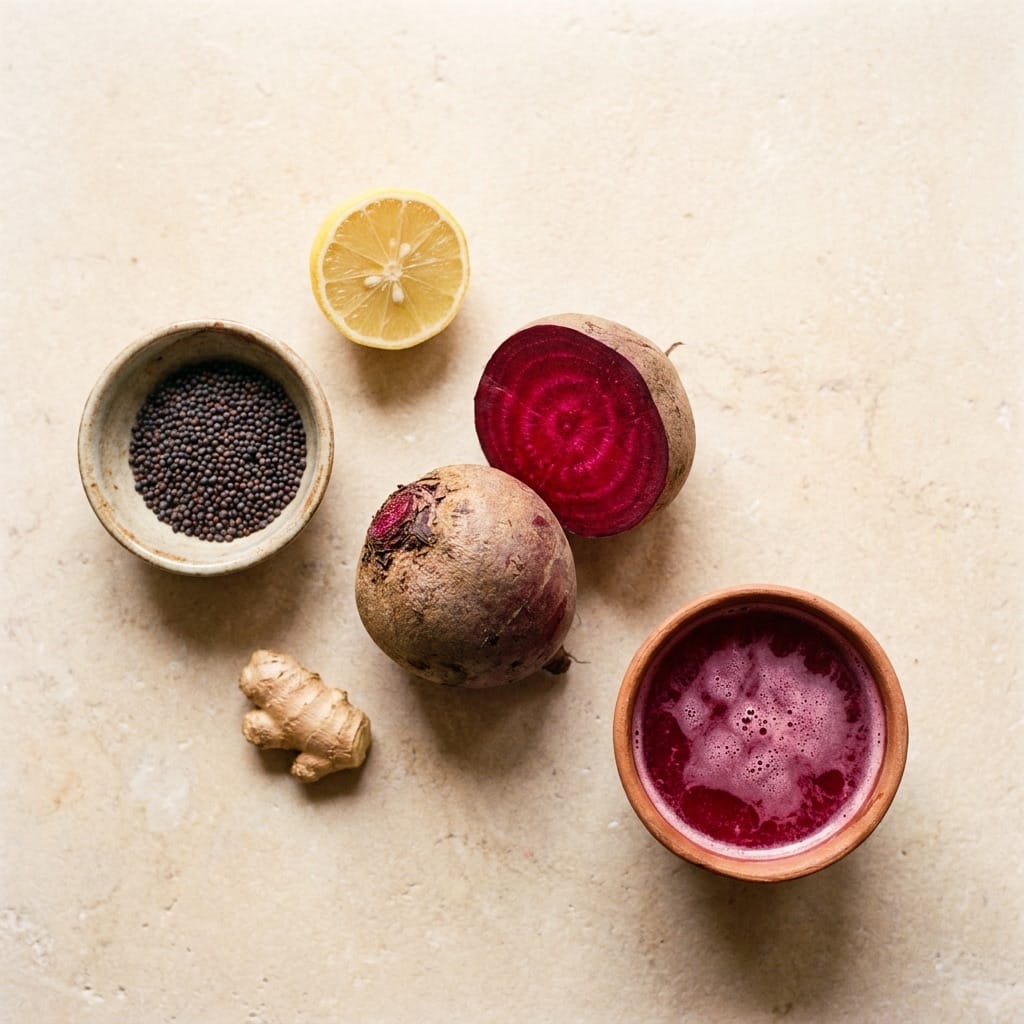
Antioxidants: Beetroot's betalains, spinach's lutein and zeaxanthin, and turmeric's curcumin all help neutralise the increased free radical load from heat stress.
Anti-inflammatories: Ginger and turmeric reduce the inflammatory response that excessive heat can trigger — particularly relevant for outdoor workers and anyone commuting in Hyderabad traffic in May.
Cooling foods: Ayurvedic tradition identifies cucumber, mint, and coriander as cooling foods — this aligns with the high water and electrolyte content that reduces the body's heat burden.
Why Morning Is the Right Time
Consuming nutrient-dense foods in the morning, before the day's heat peaks, means your body has the micronutrients it needs before the stress of midday temperature. The 7 AM delivery window is timed specifically to front-load nutrition before the heat of the day.