The Problem with Store-Bought Juice
Most juice in Indian supermarkets — even the premium-looking ones — is made from concentrate. Concentrate is juice that has been heated to remove water, then reconstituted later. That heating process destroys heat-sensitive vitamins (particularly Vitamin C and B-complex), denatures live enzymes, and fundamentally changes the flavour profile.
What you get is a shelf-stable product that can sit in a carton for months. That stability comes at a cost: most of the nutritional value you associate with drinking juice is gone before it reaches you.
What Cold-Pressing Actually Does
A hydraulic cold press applies slow, steady pressure to extract juice without generating heat. No spinning blades. No friction. The temperature of the juice never rises above ambient temperature during extraction.
This matters for three reasons:
1. Enzymes stay intact. Raw fruits and vegetables contain digestive enzymes — amylase, protease, lipase — that survive cold extraction. Heat at 40°C or above begins to denature these proteins. A centrifugal juicer running at high speed generates enough friction heat to eliminate most of them.
2. Heat-sensitive vitamins survive. Vitamin C (ascorbic acid) begins to degrade at around 70°C. Folate and B vitamins are even more temperature-sensitive. Cold-pressing preserves what the produce actually contains.
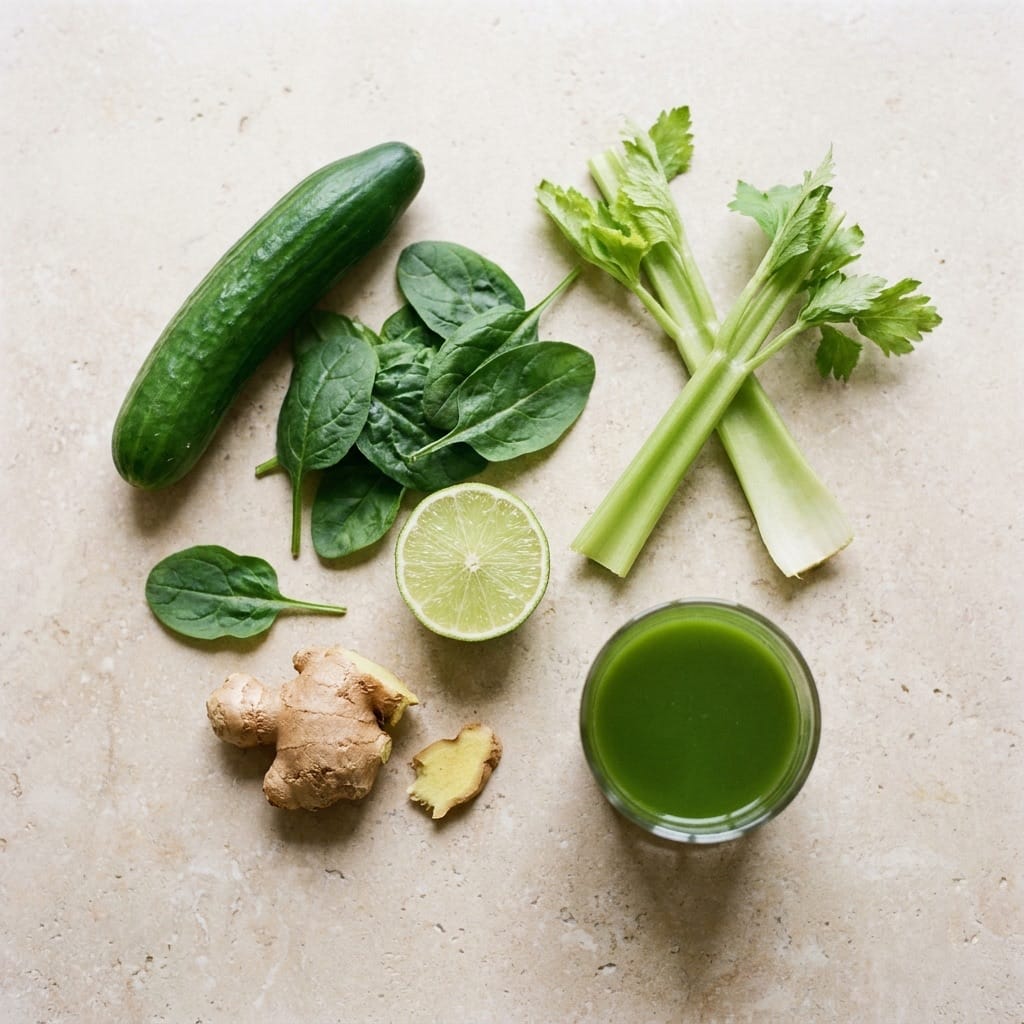
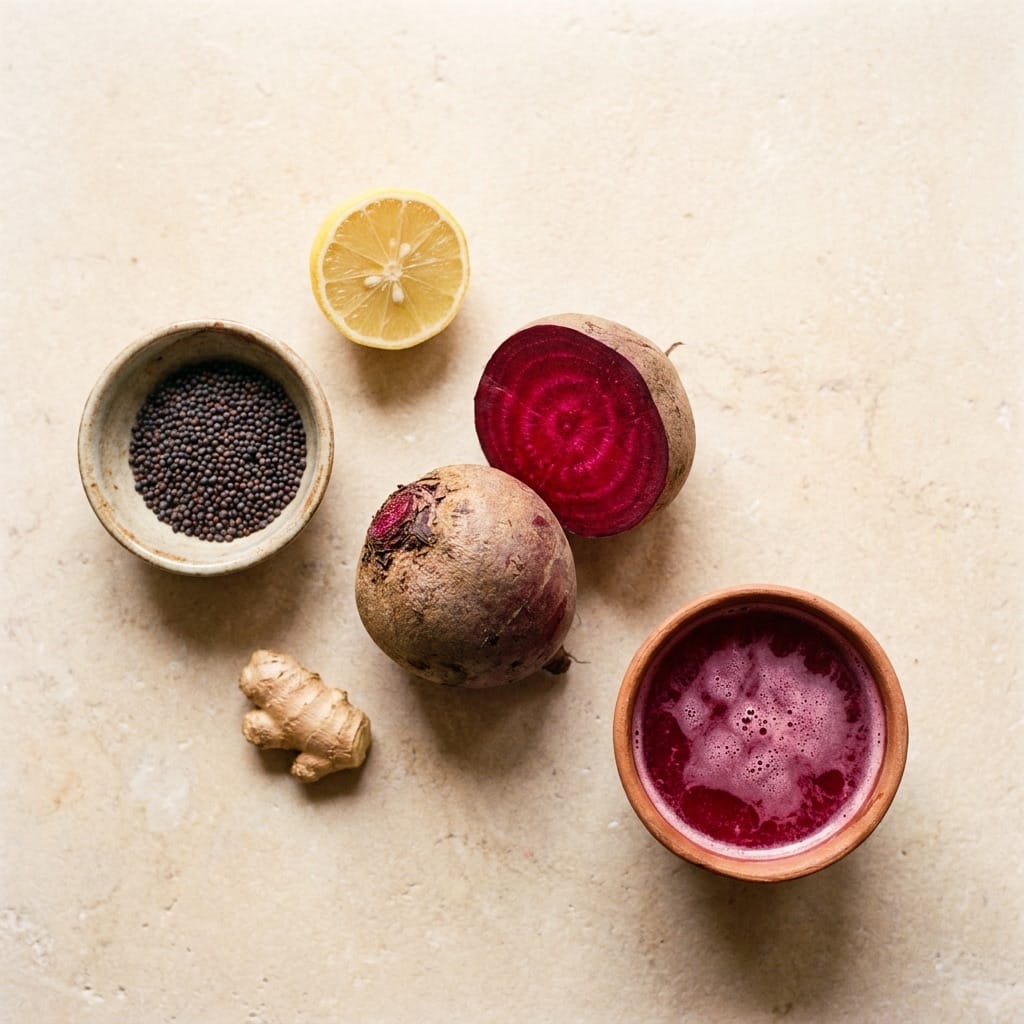
3. The flavour is honest. When produce hasn't been heat-processed, concentrated, or diluted with water, it tastes like itself. Spinach tastes green. Beetroot tastes earthy and sweet. Ginger has real heat. You can tell what's in the bottle from the taste — not from the label.
The 36-Hour Window
Cold-pressed juice without preservatives has a short freshness window. At Soma Delights, we label each bottle with the exact press time. The 36-hour window isn't a limitation — it's evidence of an honest product.
If a bottle of juice can sit on a shelf for six months, something happened to it to make that possible. We'd rather you drink it fresh and feel the difference.