The Cellular Hydration Problem
Water hydrates at the systemic level — it maintains blood volume, supports kidney function, and enables sweating. But cellular hydration — the water that actually gets inside cells and enables cellular function — requires electrolytes to work properly.
Electrolytes are minerals that carry an electrical charge: sodium, potassium, magnesium, calcium, phosphorus. They control the movement of water in and out of cells through osmosis. Without the right electrolyte balance, drinking more water can actually dilute your electrolytes further (a condition called hyponatraemia, which is rare but real).
What Fresh Produce Contains
Fresh vegetables and fruits are naturally rich in electrolytes that support cellular hydration:
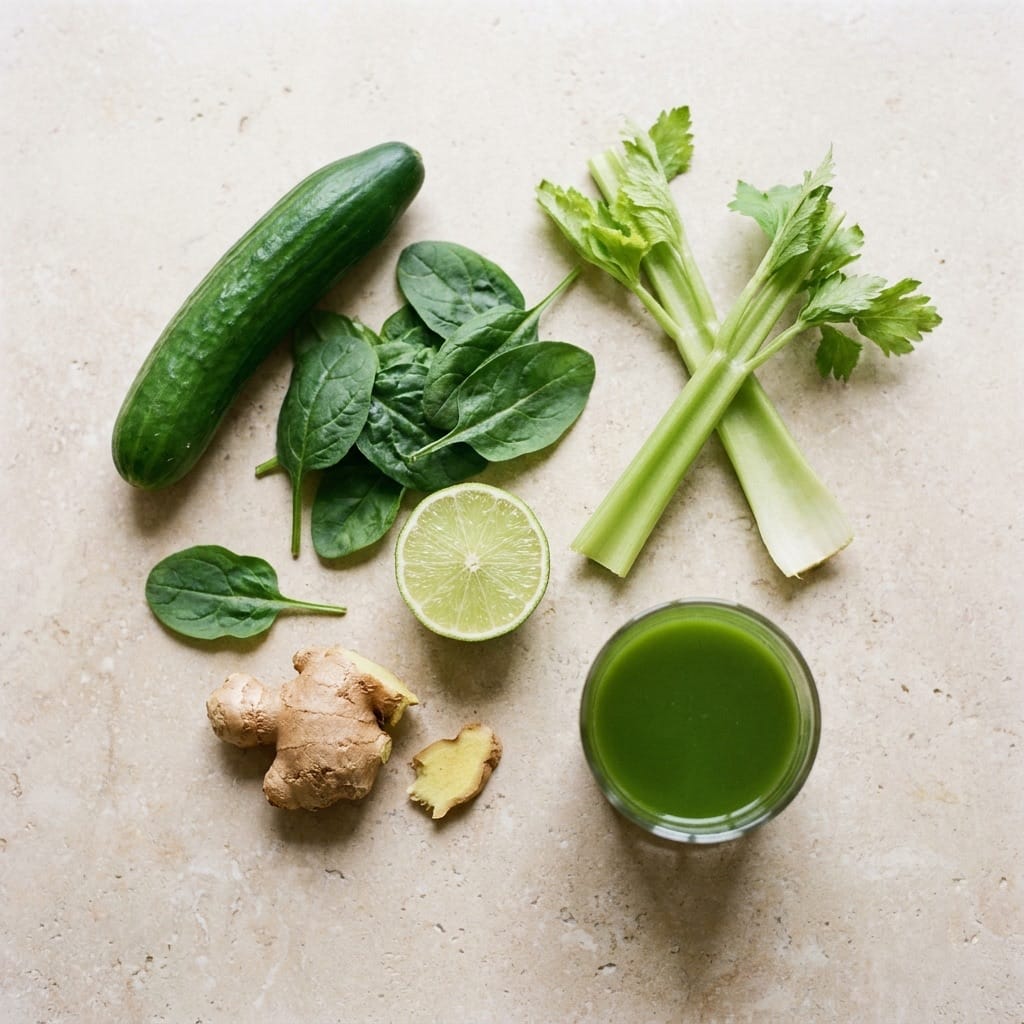
Cucumber: High in potassium (152mg per 100g) and silica, with 95% water content. One of the most hydrating foods in any diet.
Spinach: Excellent source of magnesium (79mg per 100g) and potassium. Magnesium is required for ATP production — the cellular energy currency — and most Indians are chronically deficient.
Lemon: High in potassium and citrate, which supports kidney function and reduces the risk of kidney stones in people who sweat heavily (which describes most people in Hyderabad from March to June).
Beetroot: Contains natural nitrates which the body converts to nitric oxide — a vasodilator that improves blood flow and oxygen delivery to muscles and organs.
Why Hyderabad's Climate Makes This Relevant
Hyderabad's summer temperatures regularly exceed 40°C. At that temperature, even sedentary adults can sweat 1–2 litres per day. That sweat contains electrolytes — primarily sodium and potassium — which need to be replaced.
Plain water replaces the fluid but not the minerals. Fresh cold-pressed juice, made from hydrating produce, replaces both. This isn't marketing — it's basic physiology.