What the Microbiome Is
Your gut contains approximately 38 trillion bacterial cells — more than the number of human cells in your entire body. These bacteria collectively weigh about 1-2 kg. They're not passengers. They're an active metabolic organ.
The microbiome produces vitamins (particularly B vitamins and Vitamin K), short-chain fatty acids that fuel the cells of your gut lining, neurotransmitters that influence mood (about 90% of your body's serotonin is produced in the gut), and immune signalling molecules that regulate systemic inflammation.
The Diet Connection
The microbiome composition changes rapidly in response to diet — within 24-48 hours of significant dietary changes. This is both encouraging and sobering.
What feeds the microbiome most effectively is dietary fibre — specifically, the type found in vegetables, fruits, and whole grains. Bacteria ferment this fibre in the colon, producing short-chain fatty acids (acetate, propionate, butyrate) that:
- Feed colonocytes (gut lining cells) and maintain barrier integrity
- Regulate appetite hormones
- Reduce systemic inflammation
- Support immune regulation
Highly processed foods, excess sugar, and lack of fibre don't just fail to feed beneficial bacteria — they actively favour the growth of less beneficial species that produce inflammatory compounds.
What Fresh Vegetables Contribute
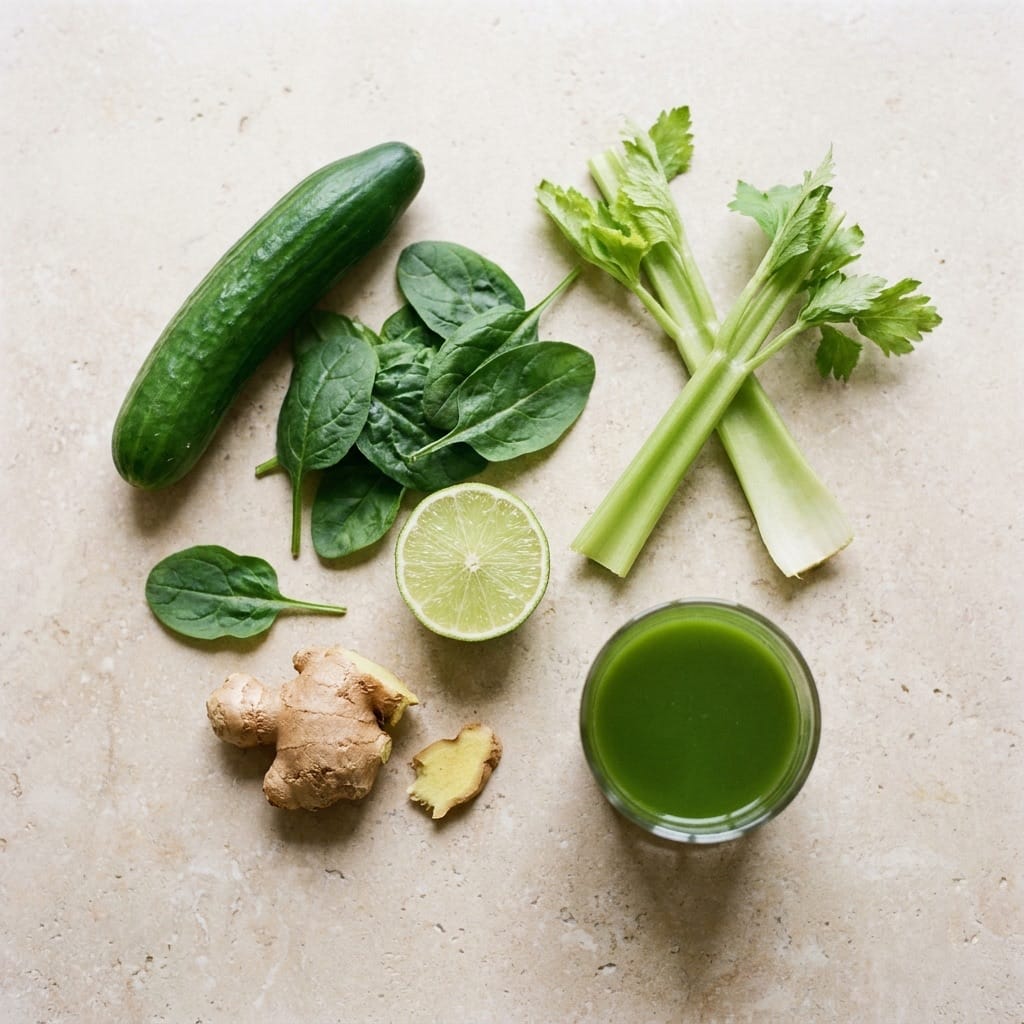
Every ingredient in our juices contributes to microbiome health differently:
Spinach: Contains chlorophyll and a unique type of sugar (sulfoquinovose) that specifically feeds beneficial Lactobacillus and Bifidobacterium species.
Ginger: Contains gingerols and shogaols that have prebiotic properties and reduce inflammatory cytokines in the gut.
Beetroot: Rich in betaine, which supports liver function and protects against leaky gut syndrome.
Cucumber: High water content with silica supports gut barrier integrity.
The combination — consumed fresh and consistently — creates conditions that support beneficial microbiome diversity.