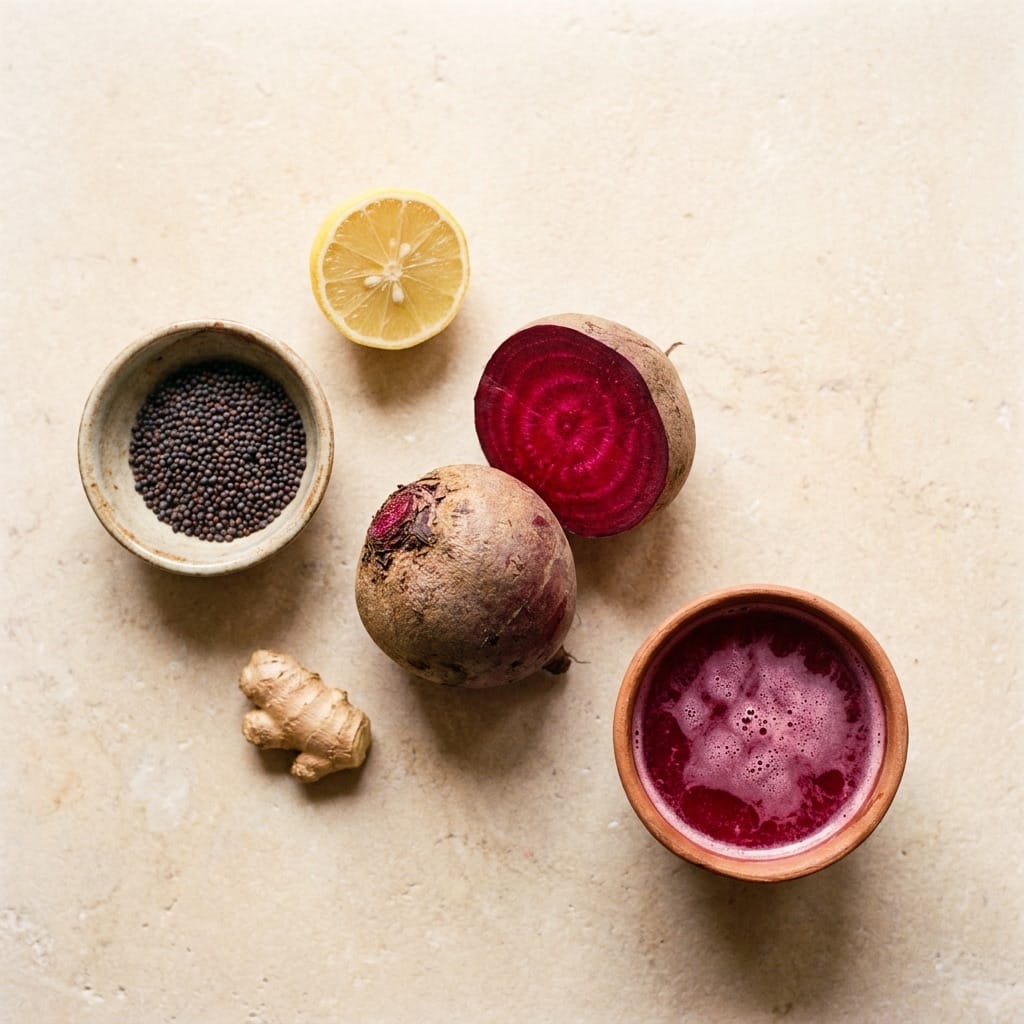
The Nitrate-Nitric Oxide Pathway
Beetroot is one of the richest dietary sources of inorganic nitrate. When you consume nitrate, oral bacteria reduce it to nitrite. In the gut, nitrite is then converted to nitric oxide (NO) — a signalling molecule with significant physiological effects.
Nitric oxide is a vasodilator: it relaxes the smooth muscle lining blood vessels, causing them to widen. This improves blood flow, reduces the oxygen cost of exercise, and increases the delivery of nutrients and oxygen to working muscles.
What the Research Shows
The research on beetroot and exercise performance is unusually strong for a food-based intervention:
- A landmark 2009 study in the Journal of Applied Physiology found that dietary nitrate supplementation (via beetroot juice) reduced the oxygen cost of cycling by 19%, allowing participants to exercise at the same intensity for longer.
- A 2012 meta-analysis found significant improvements in time-to-exhaustion in endurance exercise.
- Studies have found benefits for both high-intensity and moderate-intensity exercise.
- Research suggests the benefit is most pronounced in less well-trained individuals and in hypoxic conditions (high altitude or restricted oxygen environments).
Not Just for Athletes
The vasodilatory effect of dietary nitrates isn't only relevant for exercise. Improved blood flow means:
- Better oxygen delivery to the brain (cognitive performance, particularly relevant in afternoon energy dips)
- Reduced blood pressure (multiple studies show 4-10 mmHg reductions in systolic blood pressure from regular dietary nitrate intake)
- Improved cardiovascular health markers generally
The timing matters: the peak effect of dietary nitrate is typically 2-3 hours after consumption, which is why our 7 AM delivery works well for those who exercise in the morning or early afternoon.