Haem vs Non-Haem Iron
Iron in food comes in two forms:
Haem iron: Found in animal products (meat, fish, poultry). Absorbed at 15-35% efficiency. The body absorbs it through a dedicated transport protein.
Non-haem iron: Found in plant foods including spinach, lentils, and fortified grains. Absorbed at only 2-20% efficiency. Absorption is highly variable depending on what else you eat with it.
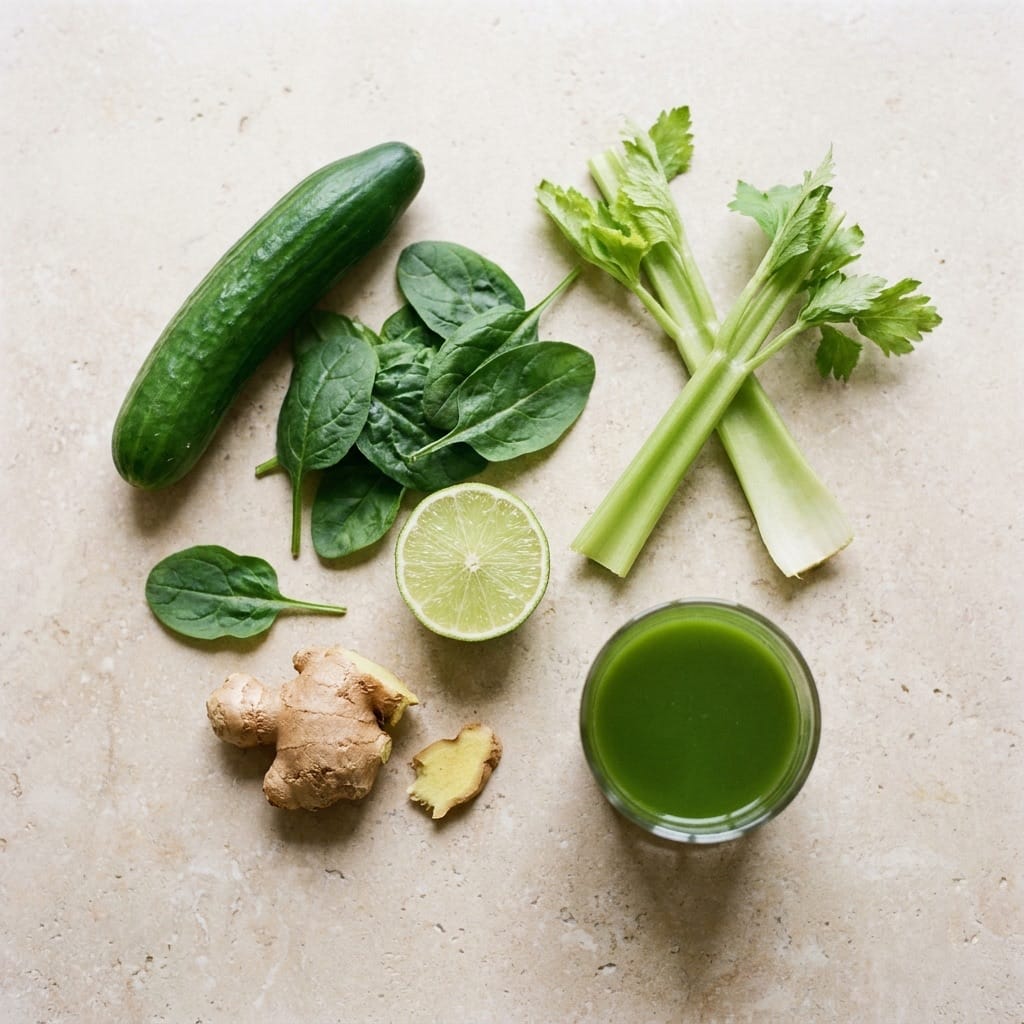
Spinach contains non-haem iron. Per 100g, spinach has about 2.7mg of iron — which looks impressive until you consider that your body might only absorb 0.05-0.5mg of it.
The Oxalate Problem
Spinach also contains oxalic acid (oxalates), which bind to iron and calcium in the gut, forming compounds that can't be absorbed. This further reduces the bioavailability of spinach's iron beyond the non-haem limitation.
This is not a reason to avoid spinach — it has substantial other nutritional value. But it is a reason to be strategic about what you combine it with.
The Vitamin C Solution
Vitamin C (ascorbic acid) dramatically improves non-haem iron absorption. It does this by:
- Reducing ferric iron (Fe³⁺) to ferrous iron (Fe²⁺), which is the form that can be absorbed by intestinal cells
- Binding to iron in the gut to form a soluble complex that resists the inhibitory effect of oxalates and phytates
Studies show that consuming Vitamin C with non-haem iron sources increases absorption by 300-500%.
This is why our Green Vitality blend includes lemon alongside spinach. The citric acid and Vitamin C in lemon actively improve the bioavailability of the iron and calcium in spinach. It's not just flavour balancing — it's nutrient synergy.