Every Recipe Is Public — Same Deal as Cold-Pressed
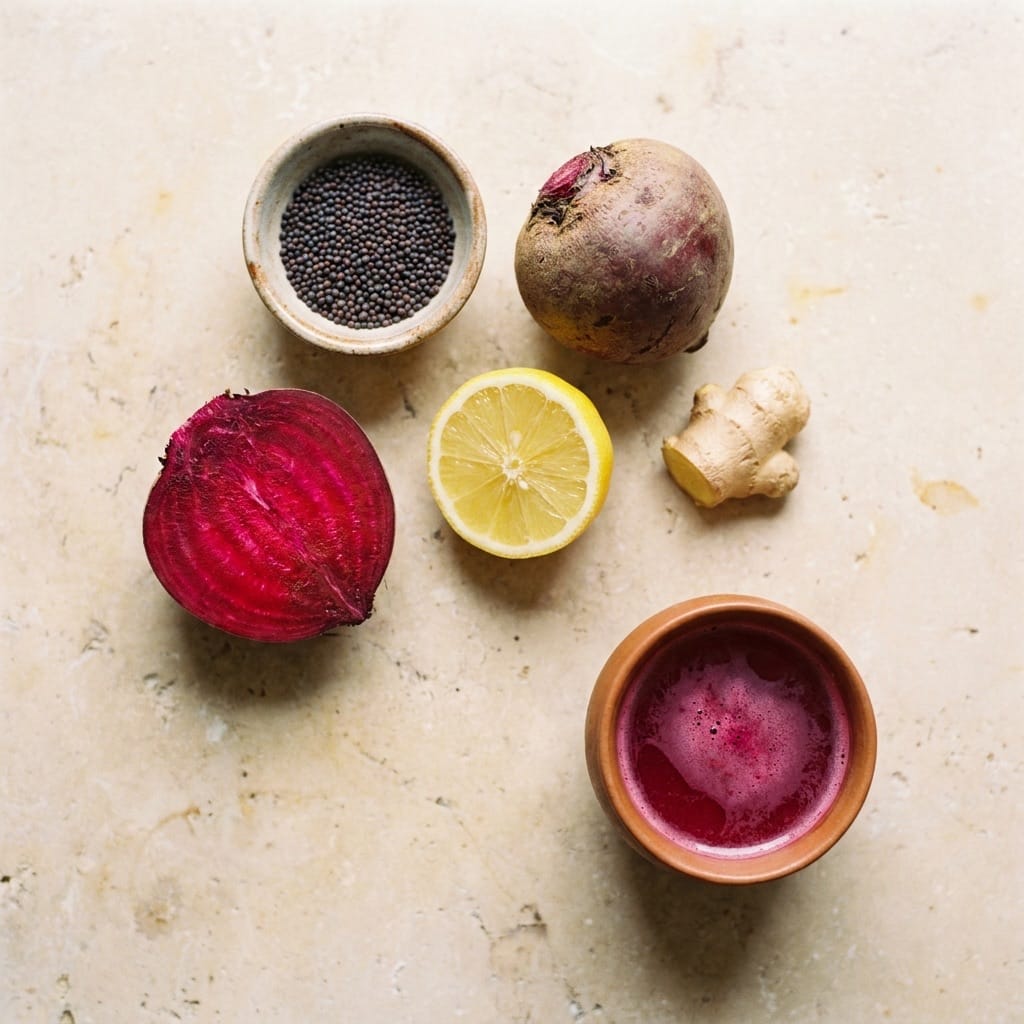
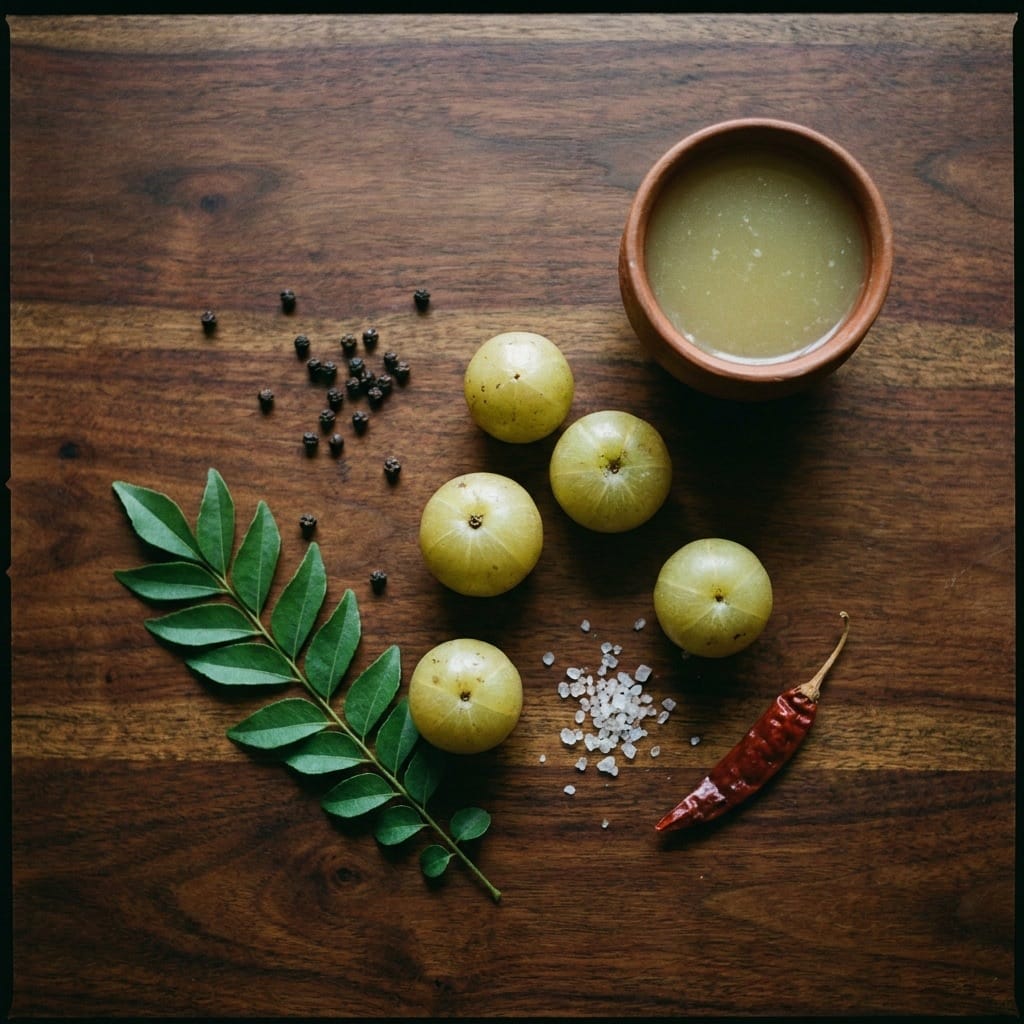
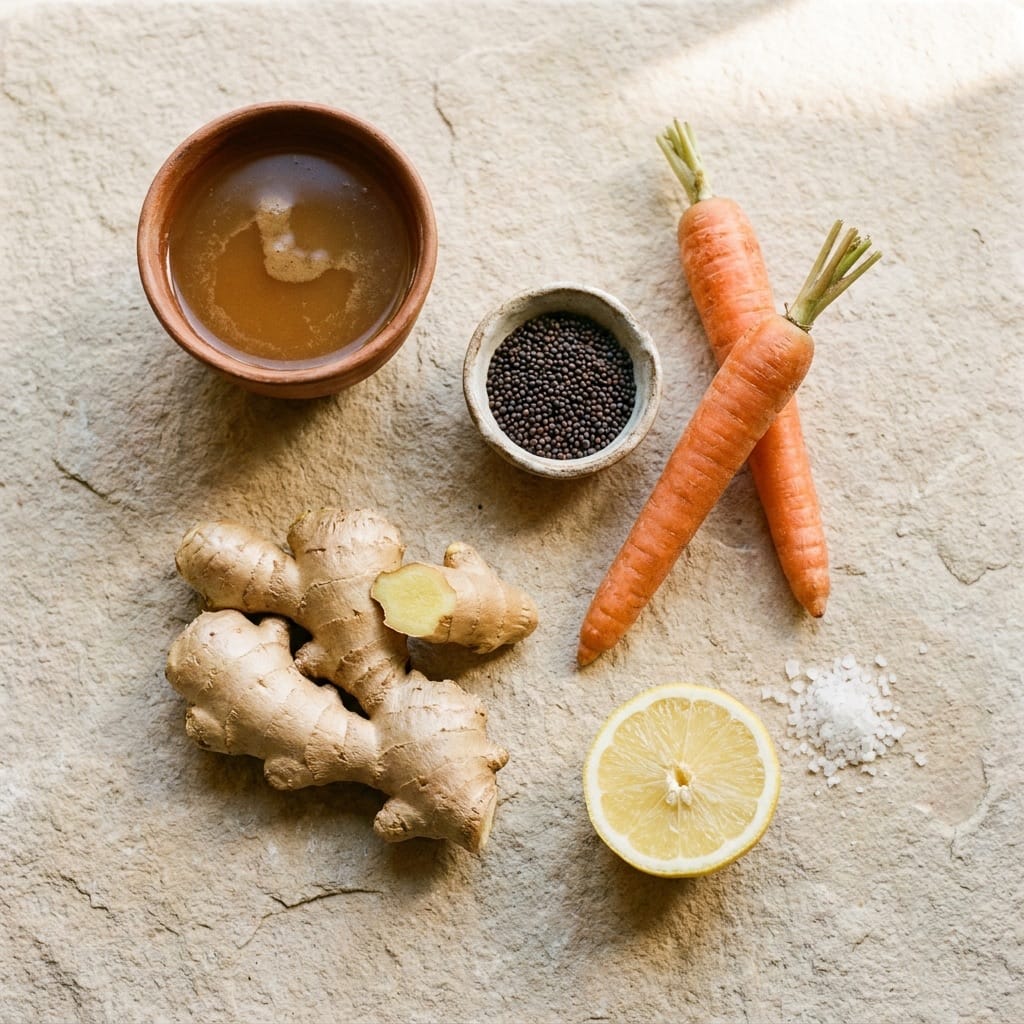
Kanji, Amla, ACV Ginger Reset — all three fermented shots we make are published on this site with the ingredients, the ferment window, and the process. We don't paywall them. If you have a clean kitchen, a thermometer, and the time, you can make any of them for less than we charge.
The ingredient math is honestly in your favour here. A 100 ml shot uses about ₹8–14 worth of produce and no electricity (room-temperature ferments). You don't need a ₹25,000 press. You need a mason jar and a spoon.
This article is about the rest of the picture: what to watch for, what we test, and how to do it well at home.
Why Fermentation Is Trickier Than Pressing
Cold-pressing is mechanical. You squeeze, you bottle, you refrigerate, you drink within 72 hours. Nothing biological is actively changing.
Fermentation is biological. A lacto-ferment is a controlled *selection* problem — you're encouraging *Lactobacillus* species to outcompete every other microbe in the jar by making the environment acidic, salty, and anaerobic fast enough that other species can't establish. When the process works (which, with traditional recipes and a bit of attention, is most of the time), you end up with a shelf-stable, probiotic-rich drink that your great-grandmother would recognise.
When it doesn't work, you get one of a few predictable failures. Knowing what they look like is 90% of the skill.
Five Things To Watch For
These are the everyday issues any home fermenter should be aware of. Most of them announce themselves — learn the signs and you'll catch them early.
1. The pH doesn't drop fast enough. A healthy lacto-ferment hits a pH below 4.6 within the first 48 hours. If it doesn't, the environment stays neutral enough that less welcome microbes — including, in rare cases, spore-forming anaerobes like *Clostridium botulinum* — could establish. This is the single most important reason to use a pH strip: it tells you early whether your jar is on track or needs to be discarded.
2. Alcohol sneaks in. Ferments that include sweet produce (apple, carrot, beet) can tip from lactic into alcoholic fermentation if temperature rises or the primary culture is weak. Traditional kanji shouldn't exceed 0.5% ABV; anything higher means the yeasts won competition against the Lactobacillus. It's not dangerous but it's no longer the drink you intended. If the jar smells like wine instead of brine, it's gone alcoholic.
3. Mould on the surface. White, fuzzy, pink, blue, or green patches on the surface of your ferment are mould colonies. They form when produce floats above the brine and gets exposed to air. The standard advice ("skim and continue") only applies to specific fermented foods like long-aged sauerkraut; for short-cycle vegetable ferments meant to be drunk, the safer call is to discard and restart. Five minutes saved is not worth the gamble.
4. The ferment stalls. No bubbles, no cloudiness, no activity at the 24-hour mark means the starter culture didn't take. Common causes: water too chlorinated (chlorine kills Lactobacillus), salt too high (over 3% inhibits culture growth), produce too old. A stalled ferment is safest to discard — waiting it out gives unwanted microbes a head start.
5. Off smells. Healthy ferments smell sharply sour, mildly sulphury, a bit cabbage-y. Rotten smells (sulphurous like eggs, sweet-putrid, or ammonia-like) mean something else is winning. Trust your nose — it evolved for this.
The single tool that catches most problems before they matter is a pH strip. A pack of 100 costs ₹300. One strip at hour 24 and one at hour 48 tells you almost everything.
What Our Kitchen Tests, Every Day
This is the honest answer to "why do I pay ₹99 for a shot I could make for ₹10". You're paying for the test protocol.
Every batch, every day: - pH strip reading at hours 0, 24, 48, 72 — we chart the acid drop curve. If it doesn't cross 4.6 by hour 48, the batch is discarded. - Visual check — colour, cloudiness, pellicle formation, off-patches on the surface. - Smell check — healthy ferments smell sharply sour and a bit sulphury; "off" smells are immediately obvious. - Taste — the last check before seal, by two people.
Every week: - Alcohol meter reading — traditional kanji stays below 0.5% ABV. Above that, it's fermented into the wrong thing and we disclose or discard. - Refractometer — total dissolved solids, to catch unfinished ferments.
Every month: - Independent microbial lab test — samples sent to a FSSAI-empanelled lab in Hyderabad. Coliforms, yeast/mould counts, and a Lactobacillus viability count we publish in the transparency report.
Why Fermented Shots Can't Go to Supermarkets
Even setting safety aside, the logistics don't exist. A live fermented shot has a 7-day shelf life from the day we seal — and the potency drops measurably every 24 hours after that. Supermarket distribution requires 30+ days of shelf life minimum. The only way to get fermented drinks on a supermarket shelf is to pasteurise them, which kills the live cultures that make them worth drinking.
This is why major brands sell "fermented-style" drinks with added lactic acid for flavour, and no live cultures. Ours are alive. That's non-negotiable, and it's also why we deliver daily and don't ship.
The Math for DIY
| Line item | Daily cost |
|---|---|
| Produce for 100 ml shot (Kanji-style) | ₹10 |
| Jar amortisation + salt + spices | ₹2 |
| Your time (15 min active, 3-day wait) | ₹37 |
| pH strips, thermometer amortised | ₹3 |
| Real total per shot | ~₹52 |
At ₹52 versus our ₹99, the math does tip toward home. Roughly half the cost, even counting the time. This is the opposite of the cold-pressed story, where your time plus equipment pushes the balance against DIY.
If you want to make fermented shots at home, the economics are on your side.
A Sensible Home Setup
The process is genuinely simple — most of these are one-time habits.
- A pH strip pack. ₹300 for 100 strips on Amazon. Test at hour 24 and hour 48. If the jar is below 4.6 by hour 48, you're on track.
- A kitchen thermometer. Hyderabad afternoons in April push past 32°C; a jar on the counter can spike. Aim for 18–24°C — a cooler shelf in summer, a warm corner in winter. The ferment will tell you if it's unhappy: over-active and winey if too hot, silent if too cold.
- A salt rule of thumb. About 2% salt by weight of produce. Below that the Lactobacillus loses the competition; well above that the ferment stalls.
- Don't top up mid-ferment. Adding new substrate halfway through introduces new variables. Start a fresh jar instead.
- When in doubt, discard and restart. The ingredients cost ten rupees; a restarted jar is three extra days, not a disaster. This isn't the kitchen where heroics are worth it.
One Last Thing
Fermented food has been made in Indian homes for thousands of years. Kanji, idli batter, curd, dosai batter, ambala rasam — this isn't an exotic foreign science. But traditional ferments had the protection of unbroken household knowledge: someone in the house had always made the thing the same way, and corrections happened by instinct.
Most modern households have lost that continuity. The pH strip and the thermometer are just replacements for what your grandmother knew without measuring.
If you want to rebuild the ritual at home, go. It comes in well under our price, it's a beautiful thing to do, and our recipes are waiting on this site.
If you'd rather we handle it — we test every batch, publish every result, and a bottle reaches your door before you're out of bed.
Either is the right answer.