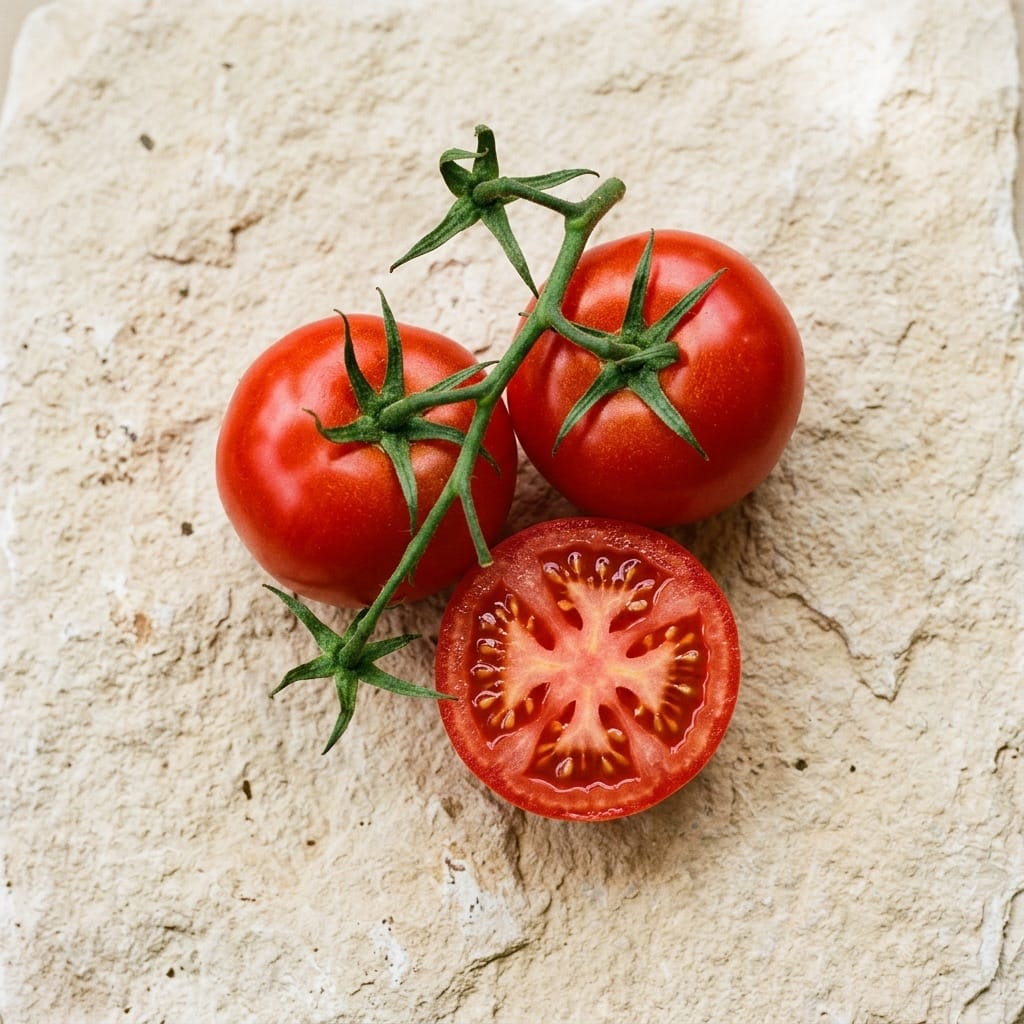
Tomato
Lycopene for cardiovascular and prostate health — more bioavailable when juiced.
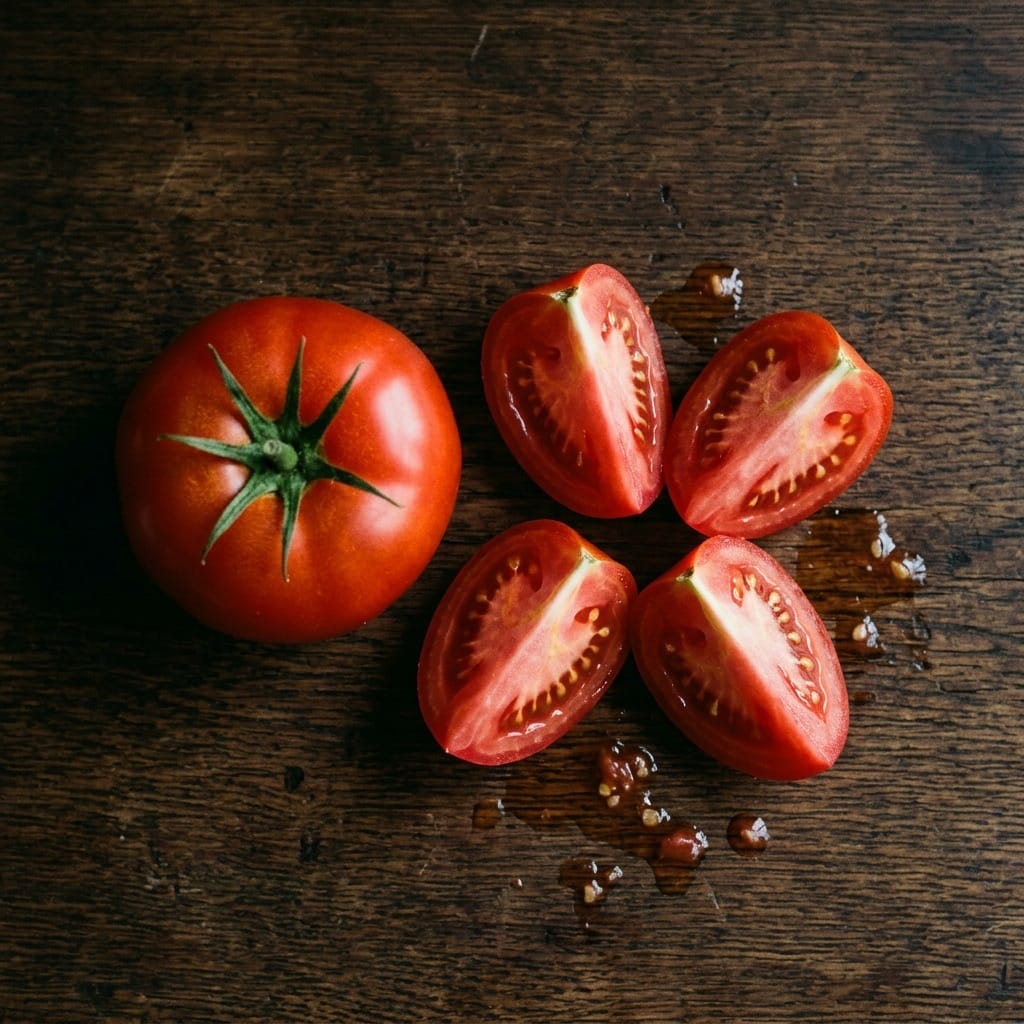
Tomato (Solanum lycopersicum) is the richest common dietary source of lycopene — the carotenoid with the strongest evidence for cardiovascular protection and prostate cancer prevention. Uniquely among vegetables, the bioavailability of tomato's lycopene increases when the cell walls are disrupted — making cold-pressed tomato juice superior to raw tomato for lycopene delivery.
Good for
- Heart health (lycopene)
- Skin
- Immunity
Watch for
- Active acid reflux
Prostate cancer prevention
LycopeneThe strongest clinical evidence for lycopene is in prostate cancer prevention. A Harvard study of 47,000 men found those consuming tomato products 10+ times weekly had 35% reduced prostate cancer risk.
Cardiovascular protection
Lycopene, Chlorogenic acidLycopene reduces LDL oxidation — the key step in atherosclerosis. Meta-analyses show lycopene supplementation reduces LDL by ~8% and systolic blood pressure by ~5mmHg.
Vitamin C + antioxidants
Lycopene, Vitamin C, Beta-caroteneThe combination of vitamin C, beta-carotene, and lycopene in tomato creates a synergistic antioxidant effect that neutralises different classes of free radicals simultaneously.
| Nutrient | Amount |
|---|---|
| Energy | 18 kcal |
| Vitamin C | 13.7mg |
| Vitamin A | 42μg RAE |
| Potassium | 237mg |
| Lycopene | 2573μg |
| Beta-carotene | 449μg |
Tomato lycopene bioavailability is uniquely superior in processed/juiced form. Chopping, heating, or pressing ruptures the chromoplast membranes that sequester lycopene, releasing it into the lipid matrix. Cold-pressing achieves cell-wall disruption without the heat degradation of cooking. A 2002 AJCN study showed juicing increased lycopene bioavailability by 40% versus whole tomato.
- Giovannucci E et al. (1995). Intake of carotenoids and retinol and risk of prostate cancer. J Natl Cancer Inst.
- Agarwal S & Rao AV (1998). Tomato lycopene and its role in human health. Can Med Assoc J.
- Market
- Bowenpally market, Hyderabad
- Distance
- 12km
- Restocked
- Every 2 days
- Freshness
- Pressed within 24 hours of purchase
- Notes
- Deep red tomatoes have 3× the lycopene of pale/pink varieties. We select only deep red, fully ripe tomatoes.
Do
- Ripe, deep red tomatoes have 3× the lycopene of pale ones — select carefully
- Add a small fat source to maximise lycopene absorption (fat-soluble)
Don't
- Don't refrigerate before juicing — cold suppresses lycopene conversion from beta-carotene
- Don't use if you have kidney stones — tomatoes are high in oxalates
For most of history, Europeans believed tomatoes were poisonous — wealthy Europeans in the 18th century served tomatoes to guests on pewter plates, which leached lead, causing illness blamed on the tomato. Poor people who ate from wooden plates didn't get sick. The tomato's 'deadly' reputation lasted 200 years because of lead poisoning.
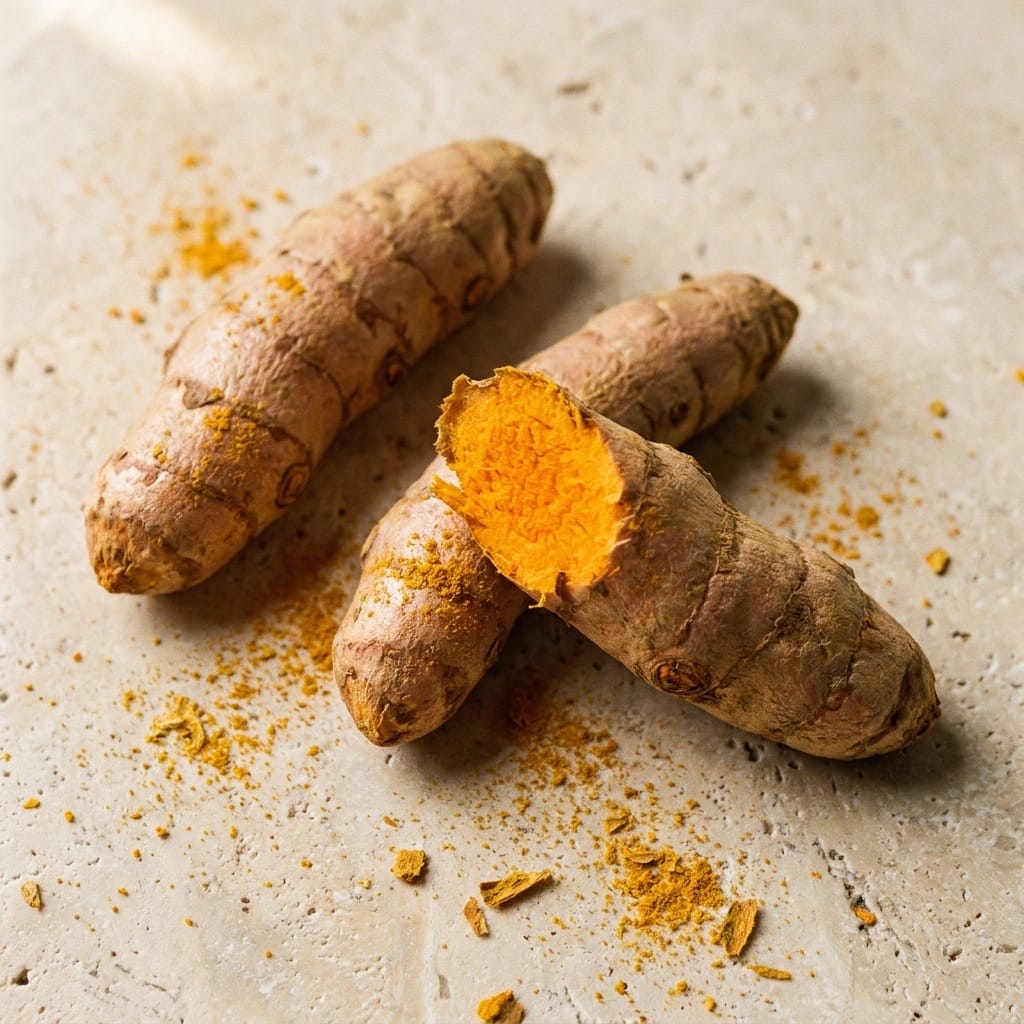
Turmeric
Curcumin — the most studied anti-inflammatory compound in food.
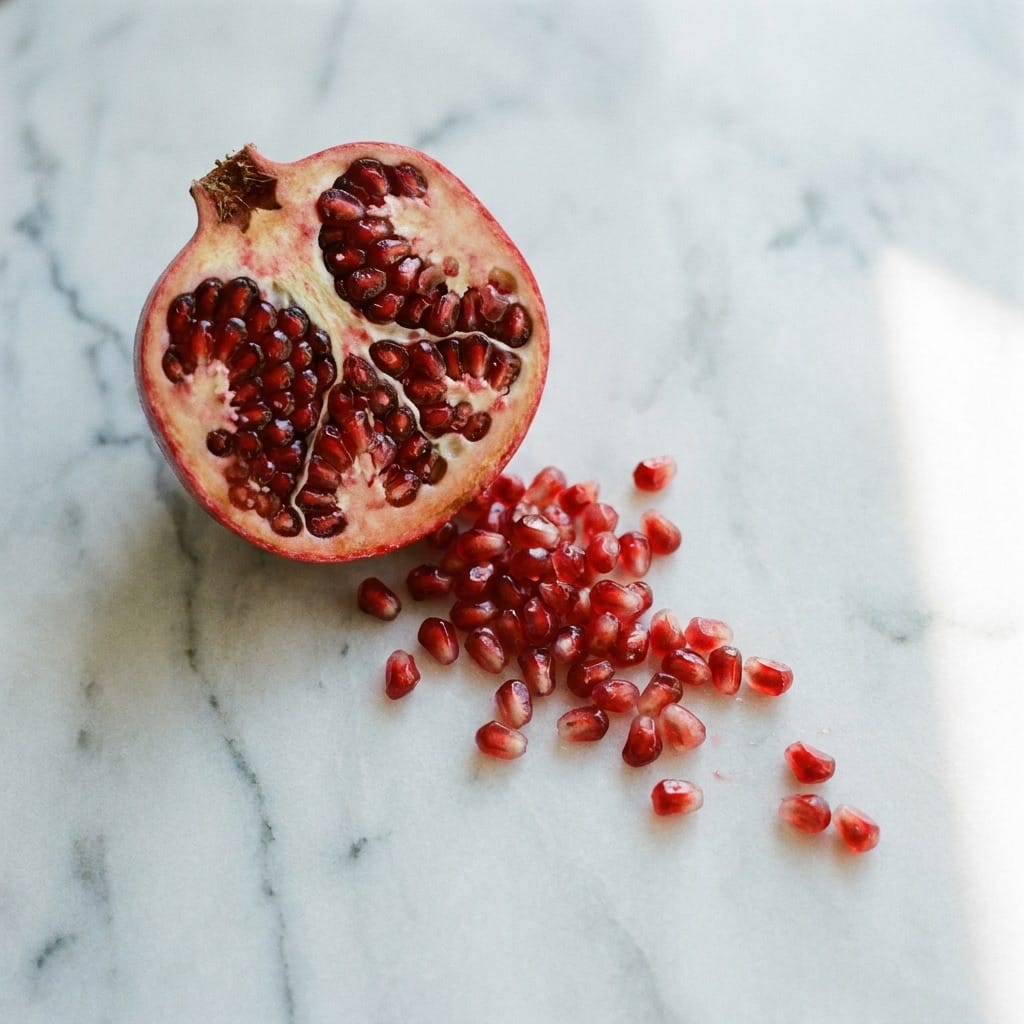
Pomegranate
3× the antioxidant capacity of red wine. Proven blood pressure reduction.
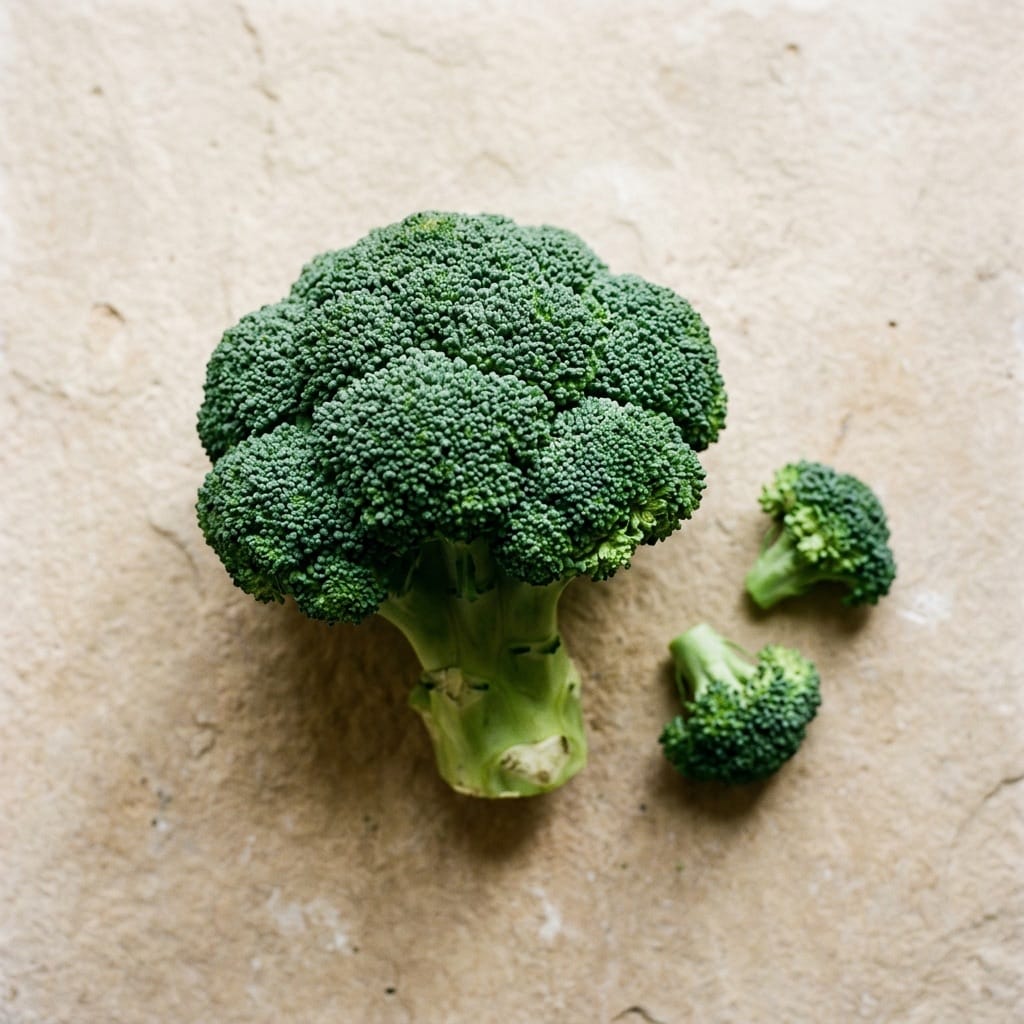
Broccoli
Sulforaphane — the most potent natural cancer-prevention compound known to science.
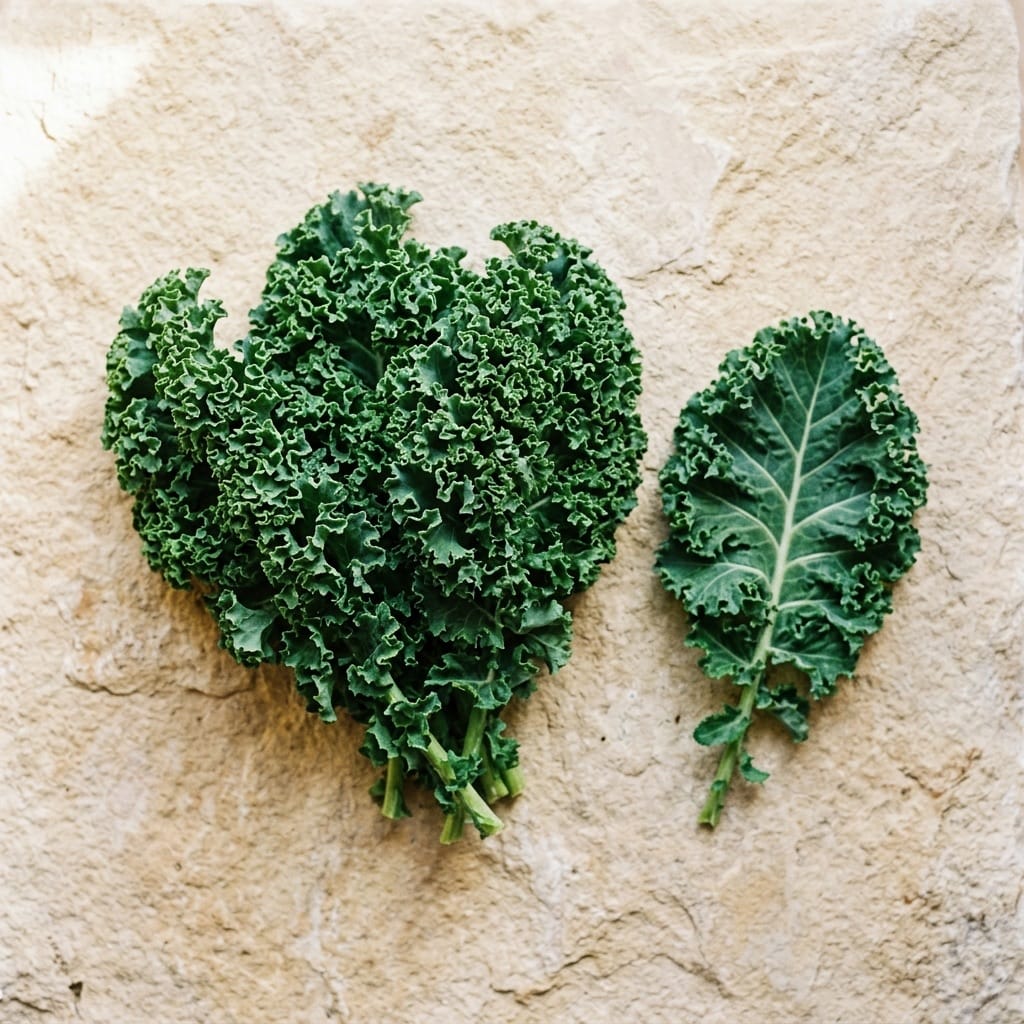
Kale
681% vitamin K and the highest lutein concentration of any green leaf.
Have us press it
fresh for you.
First week is free. Skip the shopping list, the peeling, the press — we deliver tomato in its freshest form.